
Cholera — potentially deadly, affecting millions, yet preventable and treatable.
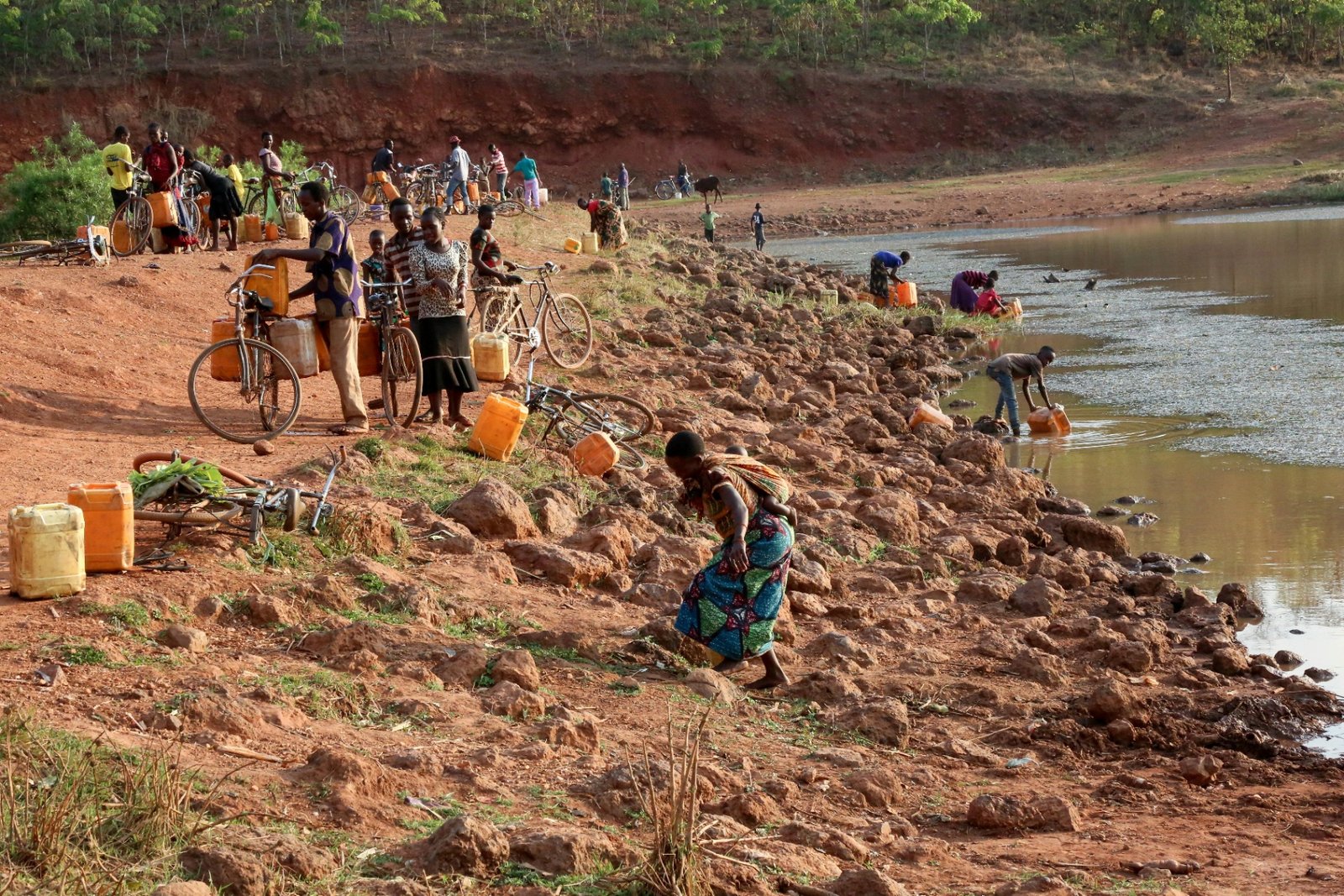
Cholera spreads through contaminated water and food.
Severe dehydration can become life-threatening within hours.
Outbreaks are increasing globally amid climate change and humanitarian crises.
Cholera is an acute bacterial infection caused by Vibrio cholerae that can lead to severe watery diarrhoea and life-threatening dehydration within hours if left untreated.
Although it is preventable and treatable, cholera continues to affect millions of people, particularly in regions with limited access to clean water, sanitation and healthcare.
Climate change increases the likelihood of extreme weather events and natural disasters, facilitating the environmental spread of cholera. Humanitarian crises and population displacement further increase the risk of outbreaks. Recent years have seen a resurgence of cholera cases worldwide, highlighting the need for improved prevention, rapid diagnosis and effective treatment options.
According to the World Health Organization (WHO), an estimated 1.3 to 4.0 million cholera cases and 21,000 to 143,000 cholera-related deaths occur worldwide each year. (Reference: https://www.who.int/news-room/fact-sheets/detail/cholera)
According to the Global Task Force on Cholera Control (GTFCC), cholera remains a major public health challenge and continues to place a considerable burden on healthcare systems and affected communities, particularly in low- and middle-income countries. ( https://www.gtfcc.org/wp-content/uploads/2020/09/ending-cholera-a-global-roadmap-to-2030.pdf)
Our solution
The HUNADIA project is evaluating a novel oral treatment designed to alleviate cholera symptoms, accelerate recovery, reduce mortality, and shorten or potentially even prevent hospital stays.
Learn more
Trusted resources
Cholera Fact Sheet