After 40 years without a new treatment, cholera care is set for change.
A novel oral therapy to change how cholera is treated.
HUNADIA aims to develop and clinically validate a novel oral therapy designed to reduce cholera-related deaths, shorten hospital stays and ease the burden on healthcare systems.
By combining scientific innovation, international collaboration and capacity building, HUNADIA seeks to improve cholera care and contribute to the global effort to reduce the impact of this life-threatening disease.
4
Phase IIb/III
Adaptive clinical trial
10
Consotium partners
7
1
asian consortium country
2
european consortium countries
Scientific innovation
VR-AD-1005, a novel oral anti-secretory drug, directly targets the mechanism that drives life-threatening diarrhoea in cholera patients.
Global collaboration
A consortium of 10 partners across Africa, Asia and Europe working together across seven clinical trial countries.
Capacity building
Establishing and training recruitment sites to strengthen long-term clinical research capacity where it is needed most.
Ten partners.
Spain
Hunazine Biotech
Coordinator
Zambia
CIDRZ
Kenya
ACE
Cameroon
CPC
Malawi
CREAMS
DR Congo
UCB
Tanzania
KCMC/KCRI
Mozambique
INS
Bangladesh
icddr,b
Netherlands
UMCG
Latest news

A preventable, treatable, deadly disease.
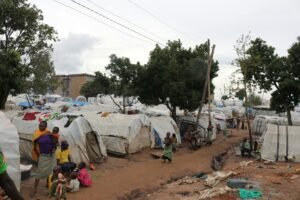
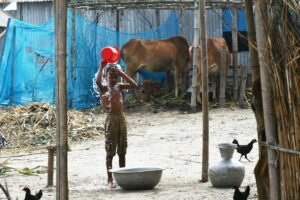
Cholera continues to affect millions of people, particularly in regions with limited access to clean water, sanitation and healthcare.
HUNADIA Kick-off Meeting
The HUNADIA consortium officially launched the project during its Kick-off Meeting, held online on 3–4 June 2026. Representatives from all partner organisations came together to introduce their teams, present the work packages and discuss the project’s objectives, governance structure and planned activities. The meeting marked the beginning of a four-year